
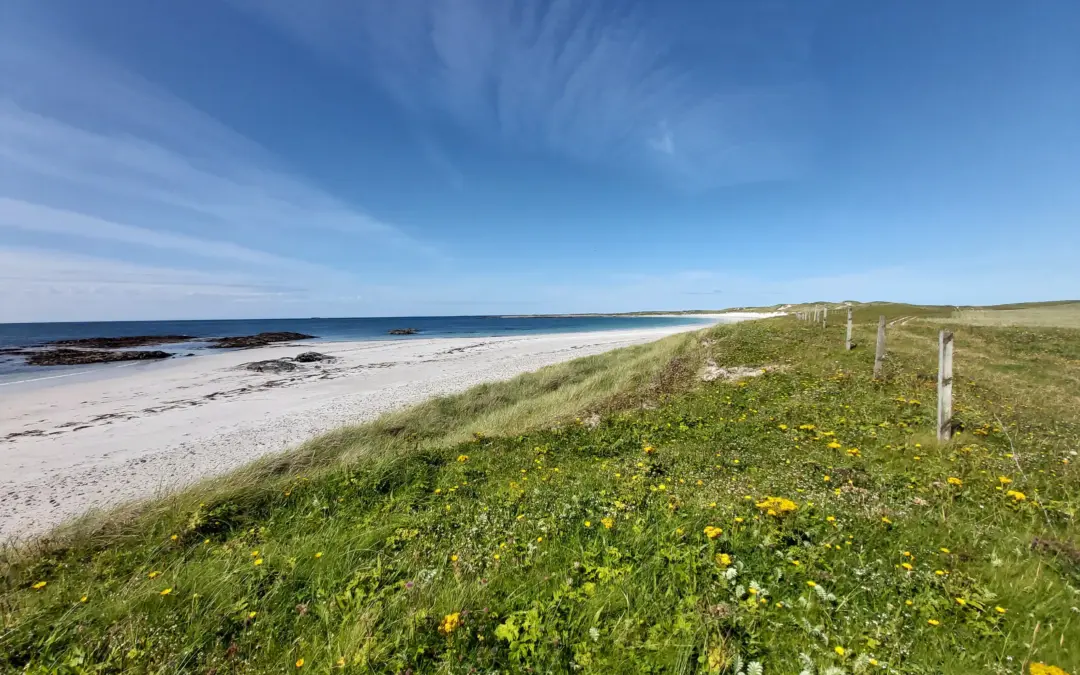
In North Uist, wildlife is part of the landscape’s everyday rhythm. Birds move across the machair, shoreline and croft land throughout the seasons, shaping both the atmosphere of the island and the experience of visitors who come here to explore it.
For visitors interested in birdwatching in North Uist, the machair provides one of the most important and rewarding habitats in the UK. It is also a constant source of inspiration for Louise Cook’s work at Shoreline Stoneware, where the colours, textures and atmosphere of the island frequently find their way into her ceramics.
What Is the Machair?
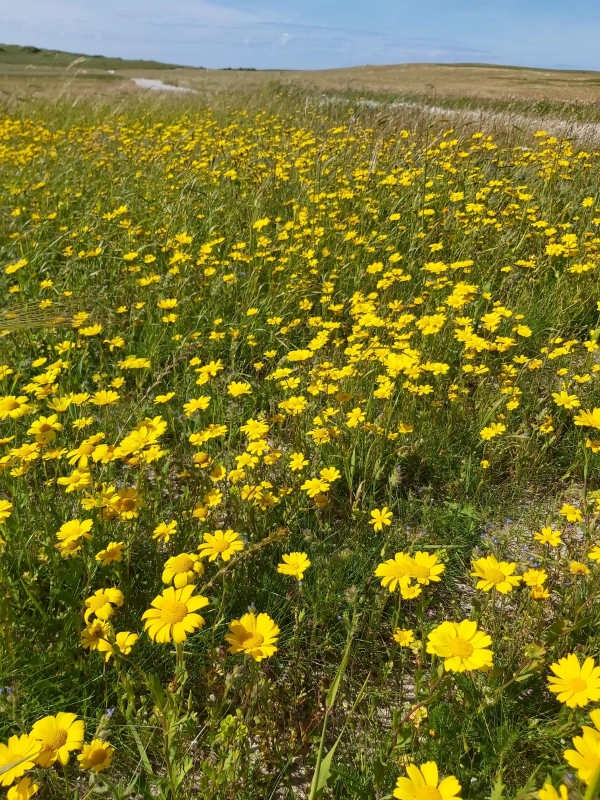
The machair is a rare coastal grassland found mainly along the western coasts of Scotland and Ireland, with the Outer Hebrides containing some of the most significant areas in the world.
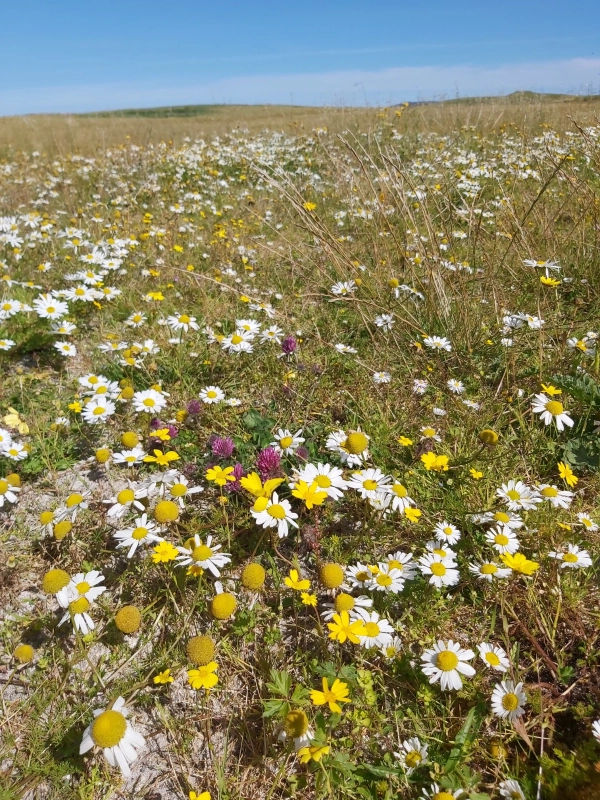
Formed over centuries by wind-blown shell sand and traditional crofting practices, machair landscapes are rich in wildflowers, grasses and insects. During spring and summer, the land becomes alive with colour and sound, creating ideal conditions for nesting and migrating birds.
In Uist, the machair changes constantly through the seasons. Early summer brings orchids and buttercups across the grasslands, while autumn introduces softer tones, migrating geese and shifting Atlantic light. These seasonal transitions often appear in Louise’s pottery through layered glazes, natural textures and muted coastal palettes.
Why Uist Is So Important for Birdlife
For birdwatchers, Uist is widely regarded as one of the best wildlife destinations in Europe. The combination of machair, lochs, moorland and coastline create habitats for an extraordinary variety of species throughout the year.
Unlike many nature reserves elsewhere, wildlife in Uist is rarely confined to a single viewing area. Birds can often be seen while walking beaches, driving between villages or simply looking out across the croft land. The island feels shared rather than separated, which gives visitors a far stronger sense of connection to the landscape.
Corncrakes
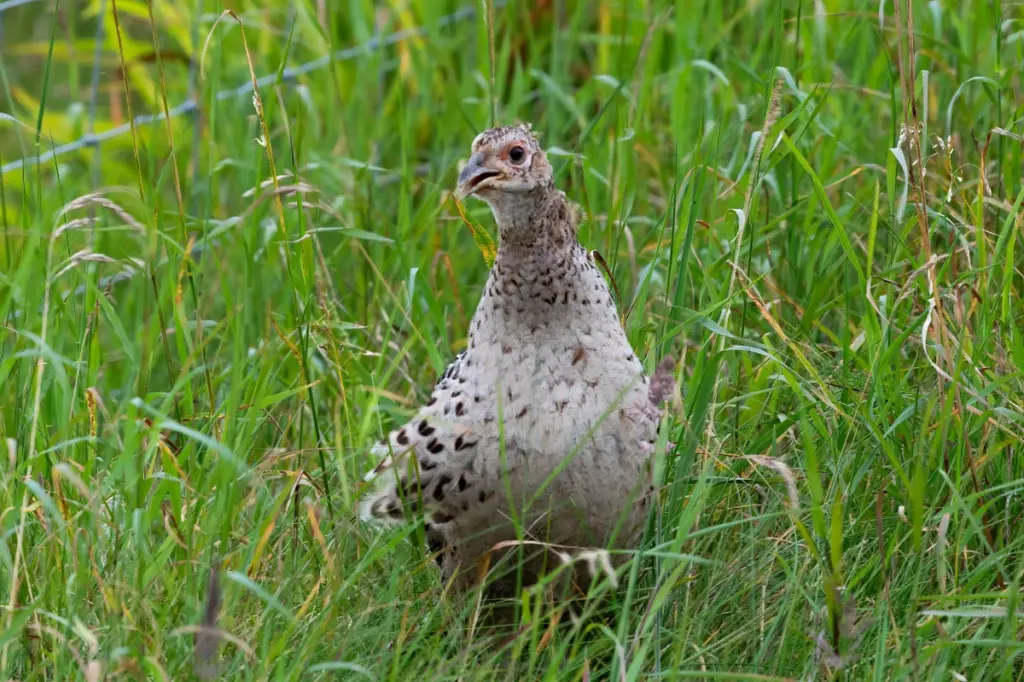
One of the most famous machair birds is the elusive corncrake. Once common across Britain, corncrakes are now rare, but Uist remains one of their most important strongholds.
More often heard than seen, their distinctive rasping call becomes one of the defining sounds of early summer evenings on the island.
Lapwings, Redshanks and Snipe
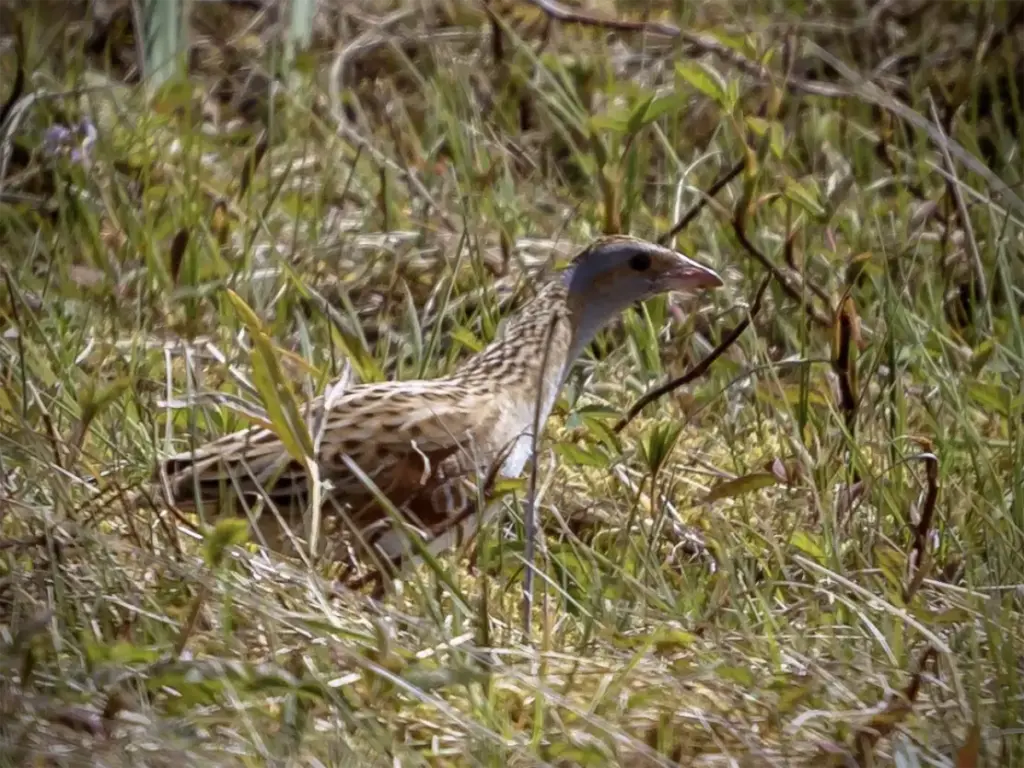
Spring and summer bring breeding waders across the machair and wetlands. Lapwings perform their tumbling display flights overhead, while redshanks and snipe call across the grasslands and lochs.
These species thrive in the carefully balanced environment created by traditional crofting and low-intensity land management, one reason the machair remains internationally important for conservation.
Terns and Coastal Birds
Along the coast, visitors may spot Arctic terns diving for fish offshore during the summer months. Their long migrations between the Arctic and Antarctic make their arrival in Uist all the more remarkable.
Gulls, oystercatchers and a variety of other seabirds are also common along the beaches and tidal areas surrounding North Uist.
Winter Geese
As autumn turns to winter, large flocks of migrating geese arrive in Uist, particularly barnacle geese and greylags. Their movement across the skies becomes one of the defining sights and sounds of the colder months.
For many visitors interested in Uist wildlife, this seasonal shift offers an entirely different experience from the flower-filled machair of summer.
Owls Across the Machair
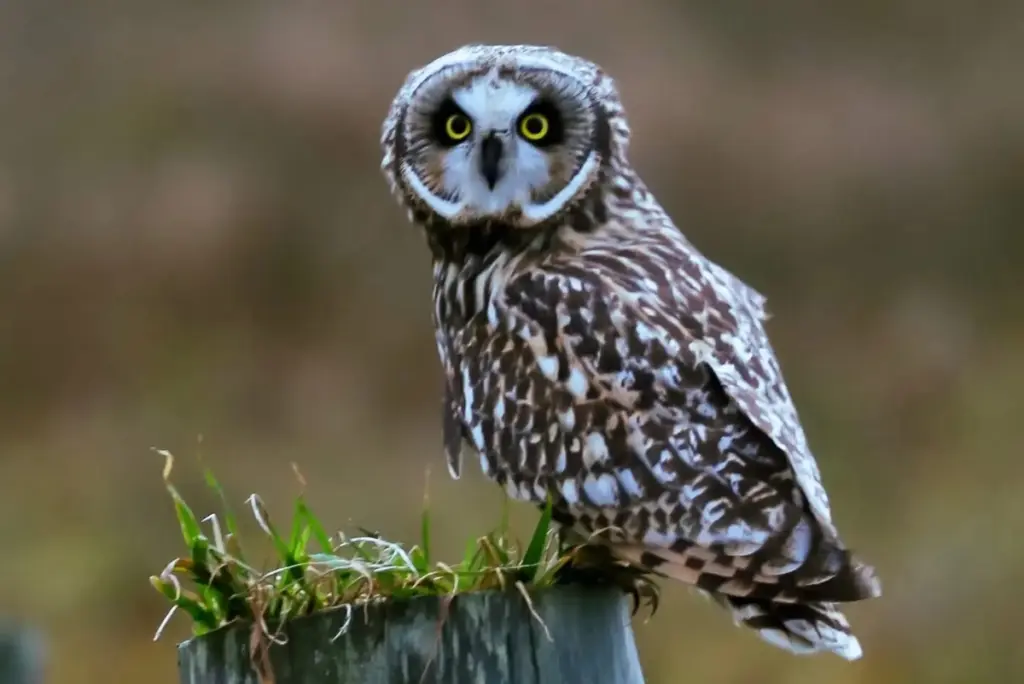
Uist is also one of the best places in Scotland to spot owls in daylight, particularly the striking Short-eared Owl. Unlike many owl species, Short-eared Owls are often active during the day, hunting low across the machair and grasslands with their distinctive buoyant flight. Their presence adds another layer to the island’s wildlife experience, especially during spring and summer when sightings can become surprisingly frequent. Watching an owl drift silently across the open machair in changing evening light is one of those moments visitors to Uist rarely forget.
Wildlife and the Creative Process
The changing seasons influence more than the landscape alone. At Shoreline Stoneware, Louise Cook often draws inspiration from the same seasonal rhythms that shape the island’s wildlife.
Summer brings brighter coastal tones and softer greens, while winter introduces darker skies, sea greys and more muted textures. Feather patterns, tidal marks and natural forms occasionally emerge in carved surfaces and glaze combinations.
The connection between landscape, wildlife and craft becomes especially noticeable after spending time outdoors on the island itself.
Tips for Respectful Wildlife Watching
Visitors can help protect the machair and its wildlife with a few simple precautions:
- Keep a respectful distance from nesting birds
- Avoid disturbing long grass and marked nesting areas
- Keep dogs under close control during breeding season
- Use binoculars rather than approaching wildlife directly
- Follow local signage and guidance from reserves and crofters
Part of what makes birdwatching in North Uist so special is the relative freedom to explore these landscapes. Protecting that balance helps preserve the habitat for both wildlife and future visitors.
Visiting Shoreline Stoneware
After exploring the machair, beaches and wildlife of Uist, many visitors enjoy stopping at Shoreline Stoneware Gallery & Studio to see how the island’s natural environment influences Louise Cook’s ceramics.
The colours of sea and sky, the textures of shell sand and grasses, and the changing atmosphere of the Hebridean seasons all play a role in shaping the work created in the studio.
For travellers interested in machair birds, birdwatching in North Uist and the wider wildlife of the Outer Hebrides, the connection between landscape and creativity is part of what makes Uist such a memorable place to visit.
To read our full visitors guide to North Uist click here.
Was there this year. Its just different- real , alive , vibrant
I am going back. Will be my 3rd time